The best family villas in Cap d'Antibes share a quality that rarely appears in a brochure: they let everyone in the household be exactly where they want to be, without anyone feeling left out. A toddler splashes in the shallows, a teenager disappears with a paddleboard, and a grandparent reads in the shade, all within calling distance. That ease is what separates a good holiday from one the family keeps talking about for years.
The peninsula is made for it. Green, quiet and surrounded by water on three sides, Cap d'Antibes offers the Riviera's polish without its crowds. But not every property here suits a multigenerational group. This guide explains what to look for, how the seasons change the experience, and how a single property, Villa Orianne, answers most of the questions a family should ask.
What Makes a Villa Truly Family-Friendly
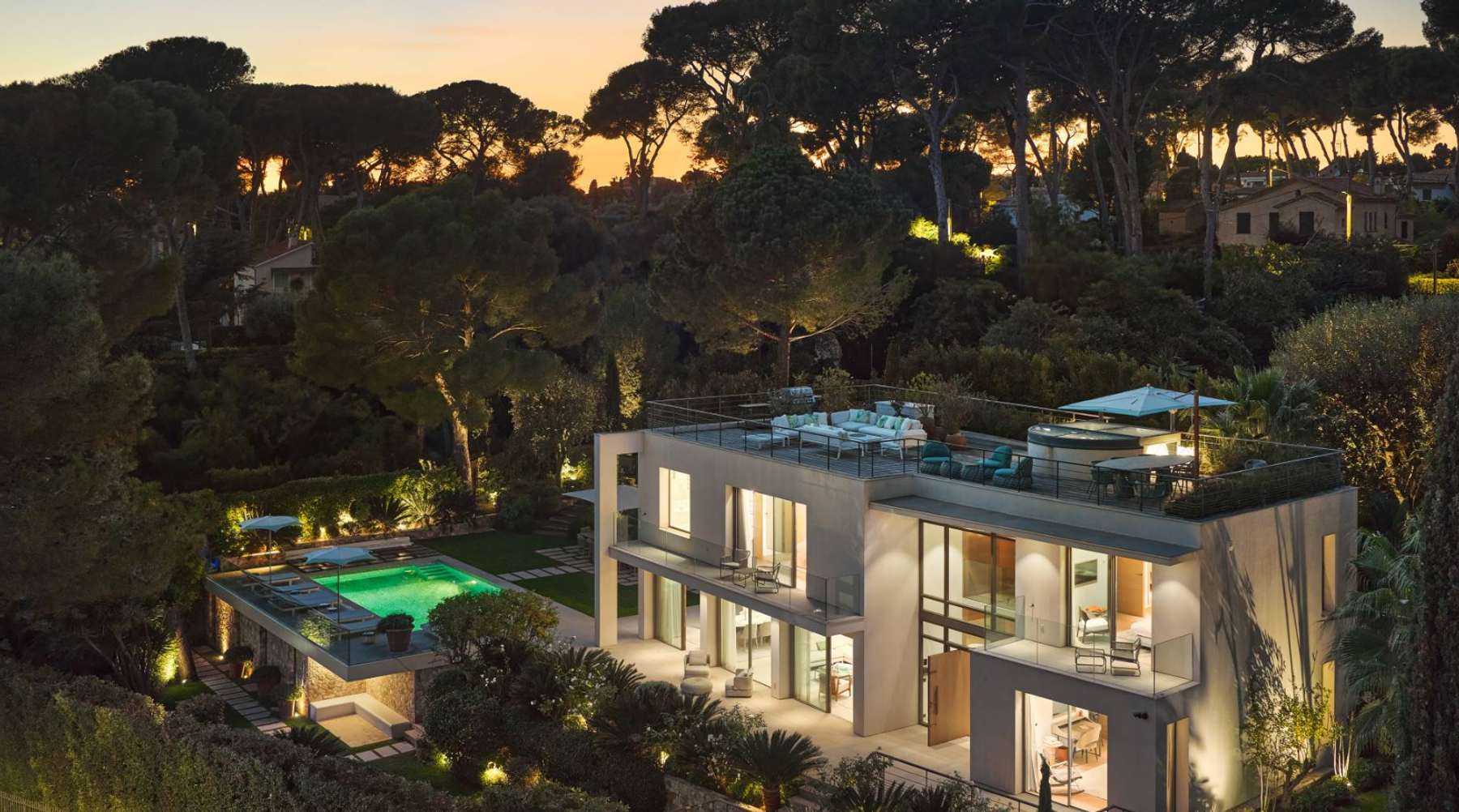
Families often start with a bedroom count and a photograph of a pool. Both matter, yet neither tells you how the days will actually feel. The better question is how the house behaves when ten people share it from breakfast to bedtime.
A family villa works when it offers choice. There should be places to gather and places to retreat, spaces for noise and spaces for naps. Outdoor rooms matter as much as indoor ones, because on the Riviera most of the day happens outside.
Privacy matters too, though in a different way than it does for couples. Parents want to let children roam without worrying about neighbors, gates or traffic. A property set within its own grounds, away from busy roads, removes a surprising amount of daily vigilance.
Three questions worth asking first
Can the youngest and oldest guests both move around easily and safely?
Is there shade at every hour of the day, outdoors as well as in?
How close is calm, easy water for swimming beyond the pool?
Answer those honestly and the shortlist usually shrinks to a handful of homes. The rest of this guide helps you refine it.
Gardens and Pool: The Real Heart of a Family Stay
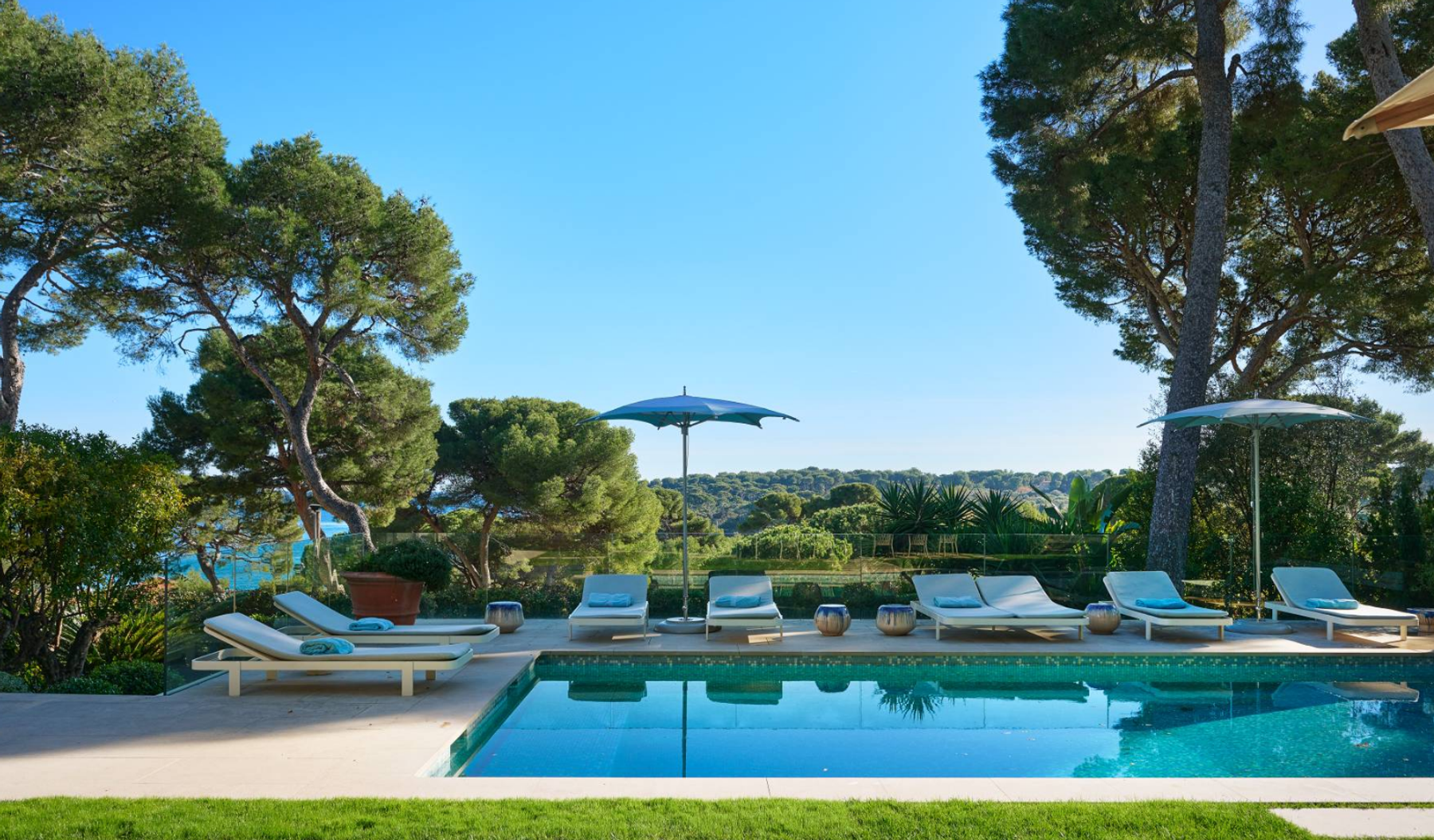
On a family holiday, the garden is the living room. Children need a place to run barefoot, invent games and burn off energy before dinner. A flat, generous lawn or landscaped grounds offer something no hotel corridor can: freedom.
Look for gardens that feel designed for lingering. Mature planting gives natural shade, which makes midday far more comfortable for small children and older relatives. Sheltered corners give adults somewhere to sit within sight of the pool without being in the middle of the action.
Pool considerations for mixed ages
The pool is where the family will spend most of its time, so it deserves scrutiny. Depth, access and surrounding space all shape how safe and enjoyable it is. A pool with room around it for loungers, towels and a long lunch table keeps the whole group together.
Families with very young children should ask about fencing, covers and gradual entry, and plan supervision rules the first day. A good property manager will happily talk through these details before you arrive, and a concierge can arrange extras such as pool toys or safety equipment in advance.
Some villas offer a seawater pool, which is a lovely alternative to the conventional kind. The water feels softer on skin and eyes, and swimming in it carries a little of the sea's character without the unpredictability of open water.
Calm Swimming Close to Home
Even the finest pool can't replace the pleasure of the sea. For families, though, the sea needs to be approachable. The peninsula's coastline is a mixture of rocky shelves, small coves and sandy stretches, and the character of the water varies a great deal from one spot to the next.
For younger children, the ideal is a gentle entry with shallow, clear water and little current. Older children and teenagers often prefer rockier platforms for jumping, snorkeling and exploring. A good villa location lets you offer both without a major excursion.
This is where direct access to the shoreline changes the day. When a path leads from the garden to the water, a swim becomes a spontaneous five-minute detour rather than a logistical operation involving bags, car seats and parking. Nap times, tired legs and sudden weather changes all become easier to manage.
Reading the water
Calm days are the norm in summer, but conditions vary with the wind and the swell. Ask your concierge or property team about the day's sea conditions, and teach children to check with an adult before entering the water. Water shoes help on rocky entries, and a light shirt protects young shoulders during long swims.
Layouts That Work for Kids and Grandparents
Multigenerational stays are increasingly common among travelers who want to be together without being on top of each other. The secret is a layout that separates sleeping from socializing.
Grandparents tend to appreciate easy access: bedrooms close to the main living areas, minimal steps, and bathrooms that are comfortable and well lit. Parents of babies often want a room within earshot of the nursery, while teenagers prize distance. Ask for a floor plan and consider who will sleep where before you commit.
Spaces that bring everyone together
A long dining table, indoors or out, is the single most useful feature in a family villa. It turns meals into events and gives the whole group a natural meeting point. A shaded terrace with comfortable seating extends the day well into the evening.
Equally valuable are quiet corners. A reading nook, a shaded bench in the garden or a cool room for afternoon rest lets people recharge without leaving the house. Those small pockets of calm are what keep a large group harmonious across a week or two.
Riviera Pacing: How to Plan a Family Day
The Riviera runs on its own rhythm, and families who embrace it enjoy the trip more. Mornings are the best hours for energetic outings, when the light is soft and the air is cooler. Midday belongs to the pool, shade and a long, unhurried lunch.
Afternoons can be slow. Children nap, adults read, and a late swim in the sea or pool revives everyone before the evening. Dinner tends to be late by northern European standards, and children often adapt happily, especially when the meal is served outdoors in the cool of the evening.
Resist the urge to fill every day. The most contented families usually plan one outing a day at most, whether it's a market visit, a coastal walk or an excursion by boat, and leave the rest open. The villa is the destination as much as anything beyond its gates.
Letting a concierge carry the load
Services make the difference between a holiday and a logistical project. A private chef can prepare meals that please both adventurous palates and fussy ones. Childcare can be arranged so parents enjoy an evening together. Grocery stocking before arrival means the fridge holds your family's favorites on day one.
None of this is extravagance for its own sake. It simply returns time to the people who need it most, which is the real luxury of traveling with children.
The Best Seasons for a Family Stay
Timing shapes a family trip more than almost any other decision. School holidays dictate many travel dates, but if you have flexibility, it's worth knowing how each season feels.
Spring: gentle and uncrowded
April and May bring mild weather, soft light and quiet streets. The sea is still cool, and pools may not be heated, so this season suits families who want walks, markets and slower days more than swimming. It's a fine choice for grandparents who find high summer too hot.
Early summer: the sweet spot
June and early July often strike the best balance. Days are long, the water is warming and the busiest crowds haven't yet arrived. The pool is comfortable, the sea is inviting, and the peninsula feels relaxed.
High summer: warm and lively
July and August are the classic Riviera months: hot, bright and social. Families with school-age children often have little choice, and the season delivers reliably warm water and long evenings. Book early, plan outings for the cooler hours, and treat shade as essential rather than optional.
September and October: the quiet favorite
Many families who return year after year choose September. The sea retains its summer warmth, the pace slows, and the light turns golden. It's superb for toddlers and grandparents alike. By October the weather becomes more changeable, though good days remain lovely and the peninsula is wonderfully peaceful.
Is Cap d'Antibes a Good Choice for Families?
Yes, and for reasons that go beyond the beaches. The peninsula is residential and green, which means quiet lanes, mature gardens and a sense of space that busier resorts lack. Distances are short, so a car journey to a market, a pharmacy or a harbor town rarely takes long.
It also sits within easy reach of the wider coast. A day trip to a lively town like Cannes is simple when the mood strikes, and a calm return to the peninsula at the end of the day feels like a reward. You get the energy of the Riviera when you want it and the stillness of a private estate when you don't.
Villa Orianne: A Concrete Answer for Families
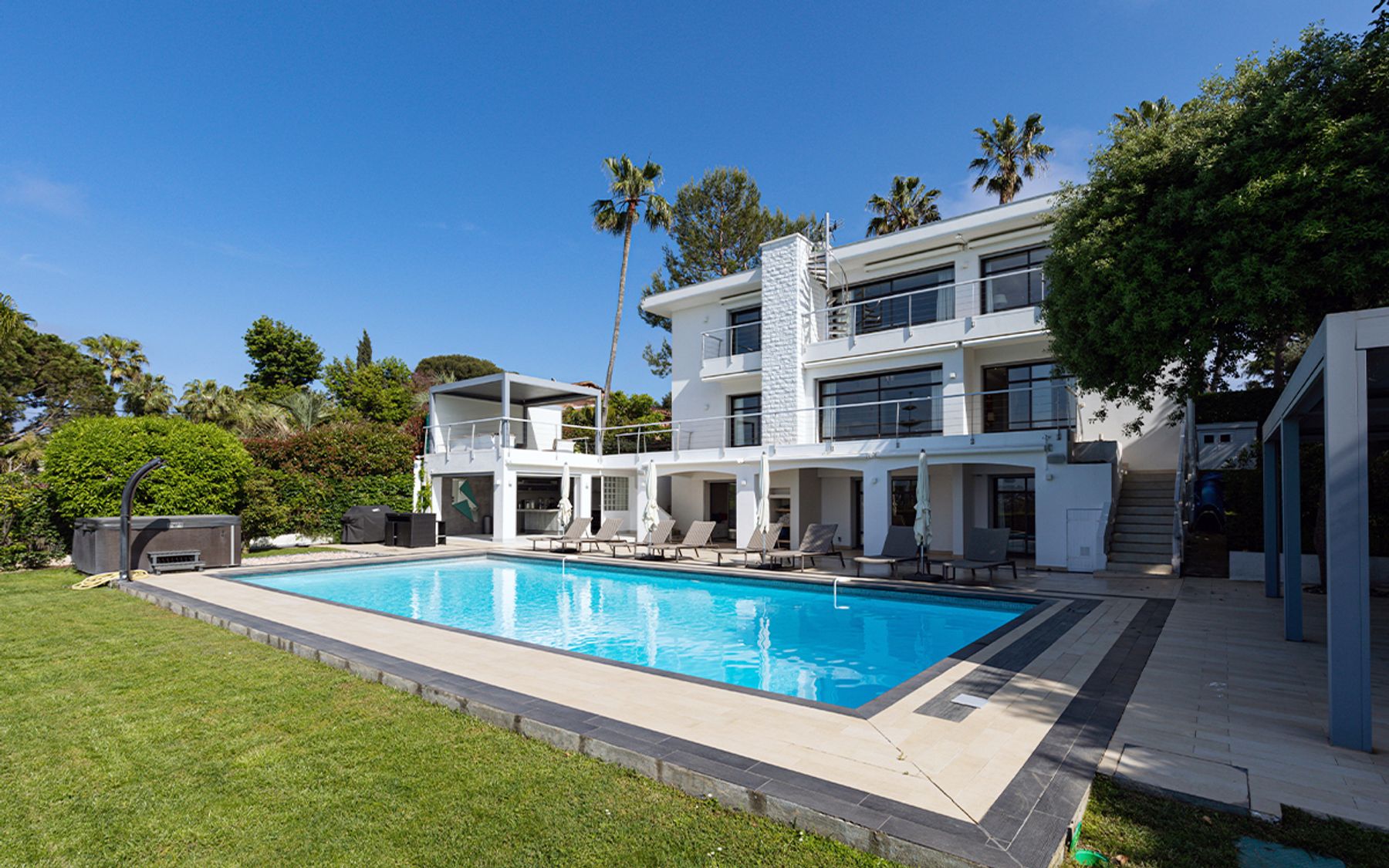
Everything above is easier to judge against a real property. Villa Orianne is a good example of how the elements of a family stay come together on the peninsula, and it's worth looking at through the lens of the questions we've raised.
Space to roam
The villa sits on an expansive landscaped estate, which gives children room to play and adults a setting that feels removed from the everyday. Shaded garden spaces provide relief from the midday sun and natural places for the family to gather, read or rest. For multigenerational groups, that variety of outdoor rooms is exactly what keeps everyone comfortable.
A seawater pool and a path to the beach
Two features stand out for families. The first is a seawater pool, which offers the pleasure of swimming without the chlorine, and which many children find more inviting. The second is a private pathway to the beach, so the sea is a short walk from the garden rather than a trip across town.
That combination matters on a family holiday. When swimming is this close to hand, a spontaneous dip before lunch or after a nap becomes the easiest thing in the world. It also means parents can pace the day around the children rather than around a schedule.
Privacy and ease
A private estate also suits families who like to keep their holiday relaxed. Meals can be taken together at home, children can move freely within the grounds, and the household sets its own rhythm. With a concierge available to arrange services such as a private chef, childcare or provisioning, the days run smoothly without the family having to manage every detail.
As always, confirm specifics such as sleeping arrangements, safety features and available services with the AVP team when you plan your stay, so the arrangements match your group precisely.
How to Choose the Right Villa for Your Family
Begin with the people rather than the property. List who is coming, how old they are, and what each person hopes to do. A family of four with young children needs something quite different from three generations traveling together.
Then weigh the essentials in order. Outdoor space and shade come first, followed by pool and water access, then layout and services. Location within the peninsula matters, but a well-chosen property with its own grounds and a route to the sea usually outweighs proximity to anything else.
Finally, think about the rhythm you want. If your ideal week is slow and home-centered, a self-contained estate is perfect. If you plan lots of outings, check how easy it is to come and go. Browsing villas in Cap d'Antibes with those priorities in mind will quickly separate the homes that merely look impressive from those that are built for family life.
Practical Tips for Traveling With Children
Share ages and any special needs with your concierge in advance so equipment is ready on arrival.
Pack sun protection, hats and water shoes, since shade and rocky entries matter more than most families expect.
Plan outings for mornings or late afternoons and keep midday for the pool.
Agree pool and sea rules on the first day so every adult and child knows them.
Ask about stocking the kitchen before arrival to avoid a first-evening scramble.
None of these steps is complicated, yet together they remove nearly all the friction from a family arrival.
A Peninsula Worth Returning To
The best family villas in Cap d'Antibes give a household something simple and rare: time together, in a setting that does most of the work. Gardens for play, water within reach, shade for rest and a layout that suits every generation add up to a holiday that feels easy from the first morning.
If that picture appeals, a stay at Villa Orianne is a natural place to begin, with its landscaped estate, seawater pool and private pathway to the beach. Set the dates, gather the family, and let the peninsula set the pace.