Say the name and most people see the same picture: flashbulbs, gowns, a seafront turned into a stage. It's a vivid image, and it's also only a few weeks of the year. The rest of the calendar belongs to a different Cannes, a seaside town with a softer rhythm, a working market culture and a light that painters have been chasing for generations. If you want to understand Cannes properly, this is the version to get to know.
This guide is about what most travelers don't know: that the city is at its most rewarding when nothing is being premiered. We'll look at the pace of daily life, the pleasures of the old town and its markets, the coastal light, the hills and islands within easy reach, and why the shoulder seasons suit this place so well. We'll also look at how basing yourself in a private villa changes the whole experience.
The Cannes That Exists the Rest of the Year
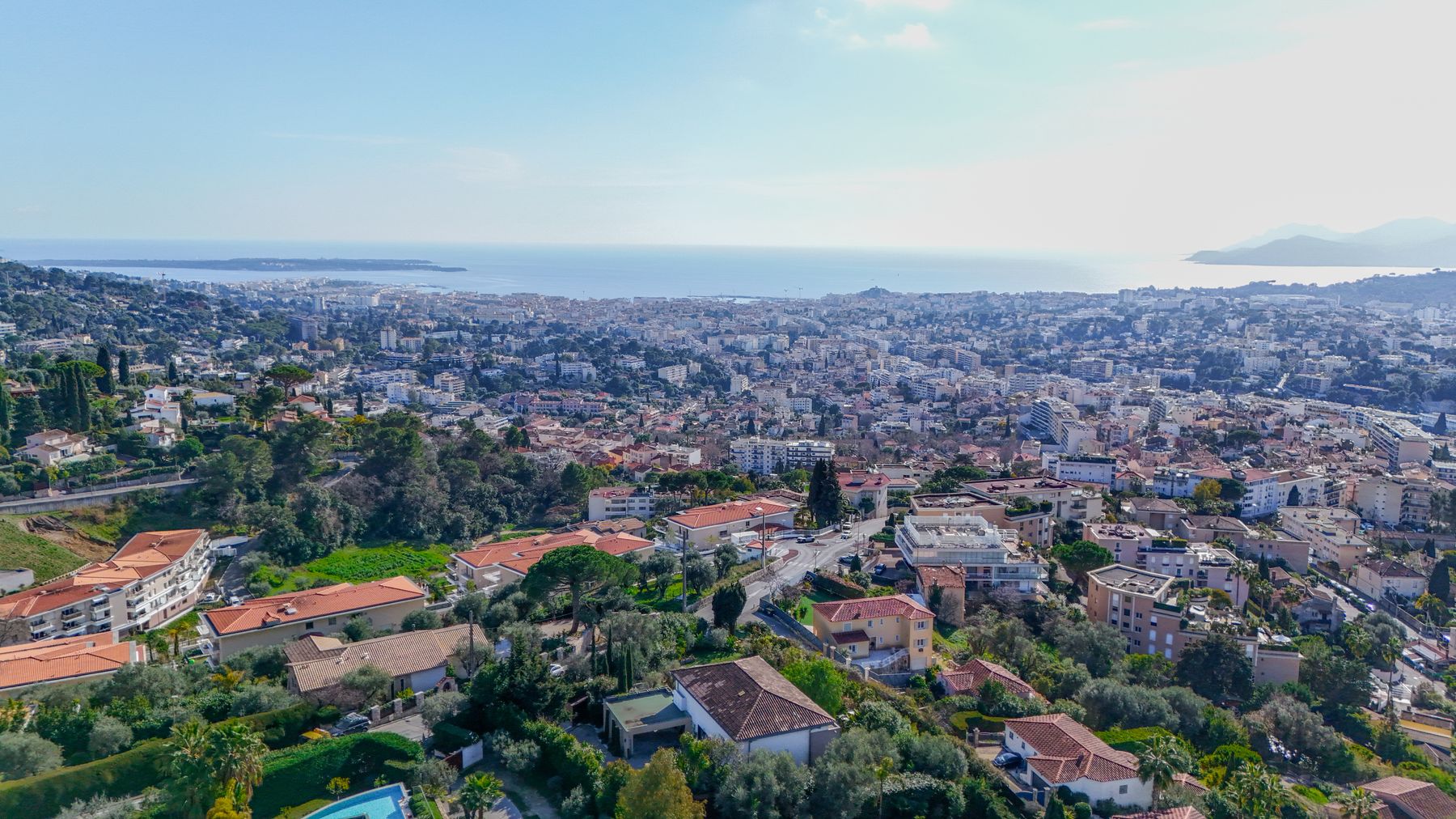
Step away from the headline weeks and Cannes turns out to be a real town. People walk dogs along the promenade before work. Neighbors stop to talk outside bakeries. Shutters open late in the morning and close again for a long, unhurried lunch. It has the easy confidence of a place that doesn't need to perform for anyone.
That's the first surprise for many first-time visitors. They arrive expecting spectacle and find something closer to a Mediterranean village that happens to have grand architecture. The boulevards are wide and handsome, the beaches are open and uncrowded, and the pace invites you to match it.
A Town Built Around the Sea
Everything here faces the water. The long curve of the bay shapes the way the city is laid out, the way people move through it and the way the day is organized. Mornings begin on the shoreline, with joggers, swimmers and early walkers sharing the same stretch of sand. Evenings end there too, as the sky turns apricot and then slate.
Once you notice this, you start planning differently. You stop thinking in terms of sights and start thinking in terms of hours: the best hour for a swim, the best hour for a stroll, the best hour for a table outdoors.
Why the Quiet Doesn't Mean Dull
A calmer Cannes isn't an empty one. Galleries, boutiques and cultural programs carry on through the year, and the city's long tradition of hosting visitors means there's always something civilized to do in the evening. What changes is the pressure. You can walk into a place without a plan. You can linger. Conversations with locals tend to stretch a little longer when nobody is rushing toward the next engagement.
Old Town Character, Without the Crowds
Above the harbor, the oldest quarter climbs a hill in a tangle of narrow lanes, pastel facades and stairways that seem to lead nowhere in particular. It's the part of the city that feels most like the Riviera of old, and it rewards a slow, aimless walk more than any itinerary.
Go up in the morning, when the light slants through the lanes and the shutters are still half closed. At the top, the view opens to the bay, the rooftops and the long line of the coast beyond. It's one of the best free pleasures in the region, and outside the busiest periods you'll often have it to yourself.
Small Details Worth Noticing
Old Cannes is a place of small things. Carved doorways, faded painted signs, flower pots balanced on windowsills, a church bell that keeps its own time. Take a camera, but also take a seat. A few minutes on a quiet stone step, watching the town go about its day, tells you more than an hour of guided commentary.
Bring comfortable shoes. The lanes are steep and the paving is old, and the climb is part of the charm. Your reward at the bottom is a coffee, a pastry and a bench by the water.
Markets and the Everyday Food Culture
If there's one way to feel the real rhythm of the city, it's through its covered and open-air markets. Provençal produce arrives early: tomatoes that smell like tomatoes, sun-warmed peaches, fragrant herbs, olives in every shade, flowers by the armful. Cheese-sellers cut slices to taste. Fishmongers lay out the morning's catch on crushed ice.
Visiting is a small ritual in itself. Go before the midday heat, bring a bag and be ready to point, taste and ask questions. Vendors are usually happy to explain what's in season and how they'd cook it.
Cooking What You Find
The market is where a villa stay and the local food culture meet. A household can pick up ingredients on the way home and turn them into lunch on the terrace: sliced tomatoes with olive oil, a wedge of ripe cheese, bread still warm, a bottle of chilled rosé. Nothing is complicated, and nothing needs to be. This is Mediterranean cooking at its simplest, which is often its best.
If you'd rather not cook, a private chef can do the shopping for you, building menus around what looked best that morning. It's a lovely way to eat locally without being tied to a dining room reservation.
Artisan Shops and Local Craft
Beyond the produce stalls, the town has its share of small artisan makers: ceramics, linens, soaps, perfumed oils and handmade sweets. These are the kinds of souvenirs that actually belong in a home. Browsing is part of the pleasure, and the pace is so gentle outside peak weeks that shopkeepers have time to chat.
The Light That Made the Riviera Famous
Ask artists why they came to this coast and the answer is nearly always the same: the light. It's clear and warm, with a luminous quality that makes colors deeper and shadows softer. Pale stone glows. The sea shifts through a dozen blues in a single afternoon.
You don't need to paint to appreciate it. Photographers plan whole days around it, and ordinary visitors find themselves stopping mid-sentence as the sky turns.
Golden Hours on the Bay
The best moments are at the edges of the day. In the early morning the water is flat and silvery, and the air has a clean, cool edge. At dusk the sun drops behind the hills, the sky blushes pink and gold, and the whole bay seems to exhale. Build time for both into your plans, and treat them as appointments rather than afterthoughts.
Why Winter Light Surprises People
The cooler months have their own beauty. The sun sits lower, the sky is often strikingly clear and the distant hills can look sharply drawn. On a bright day in the off-season, the contrast between crisp air and warm sunshine on your face is hard to beat. Many returning guests say it's the light, more than the heat, that keeps them coming back.
Hills, Villages and Islands Within Easy Reach
One of the quiet advantages of Cannes is its position. The coast is close, but so is the interior, and the shift from one to the other happens quickly. Within a short drive you can trade the seafront for scented hills, stone villages and winding roads lined with pine and cypress.
It makes the town an excellent base. A morning on the beach can become an afternoon among terraced hillsides, and you can be back for an evening swim without feeling you've traveled far.
Into the Hills
The hinterland has a different character from the shore. The air smells of wild herbs and warm earth. Villages perch on ridges, with fountains in their squares and views that stretch to the water. Perfume-making towns, hilltop galleries and slow lunches in shaded courtyards are all part of the pattern. Go with no fixed target and let the road decide.
A driver can make these outings effortless, leaving everyone free to look out the window and enjoy the scenery. For families, hill-town excursions are an easy way to see a quieter, more traditional side of the region.
A Short Hop to the Islands
Just offshore lie a pair of small, green islands, reached by a brief boat crossing. They're a world apart from the mainland: pine woods, rocky coves, clear water and the unhurried feel of a place where cars aren't part of the picture. Walking, swimming and picnicking are the main occupations.
Go early to enjoy the stillness, and bring a bag with essentials. For a group that wants more flexibility, a private boat charter can turn the crossing into part of the day, with swim stops and time on deck. It's one of the most memorable half-days the coast offers.
Why Shoulder Season Is the Insider's Choice
If there's a single piece of advice to take from this article, it's to consider traveling outside the high summer weeks and outside event periods. Spring and early autumn are the sweet spots, and in many ways they're the real Cannes.
Spring: Fresh and Green
Spring brings mild days, blossoming gardens and a clean, clear sky. The sea is still cool, so the focus shifts to walking, markets, hill villages and long lunches outdoors. It's an ideal time for those who prefer discovery over sunbathing. The town feels as though it's waking up, with terraces being set out and shutters thrown open.
Autumn: Warm Seas and Soft Evenings
Early autumn may well be the best-kept secret on the coast. The water has stored up summer's warmth, the evenings are gentle and the visitor numbers have thinned. Light turns golden and slightly honeyed, and the harvest season brings new flavors to the markets. For many travelers, it's the most comfortable and rewarding time to visit.
Winter: Calm and Characterful
Winter is for those who value quiet and clarity. Days can be sunny and mild, promenades are almost private and the town returns to its local rhythm. It suits couples, writers, remote workers and anyone seeking a restorative pause. Evenings are made for cozy dinners and long conversations by the fire.
Across all three seasons, the practical benefits are the same: better availability, more relaxed service and the freedom to move at your own speed.
How a Villa Base Changes the Experience
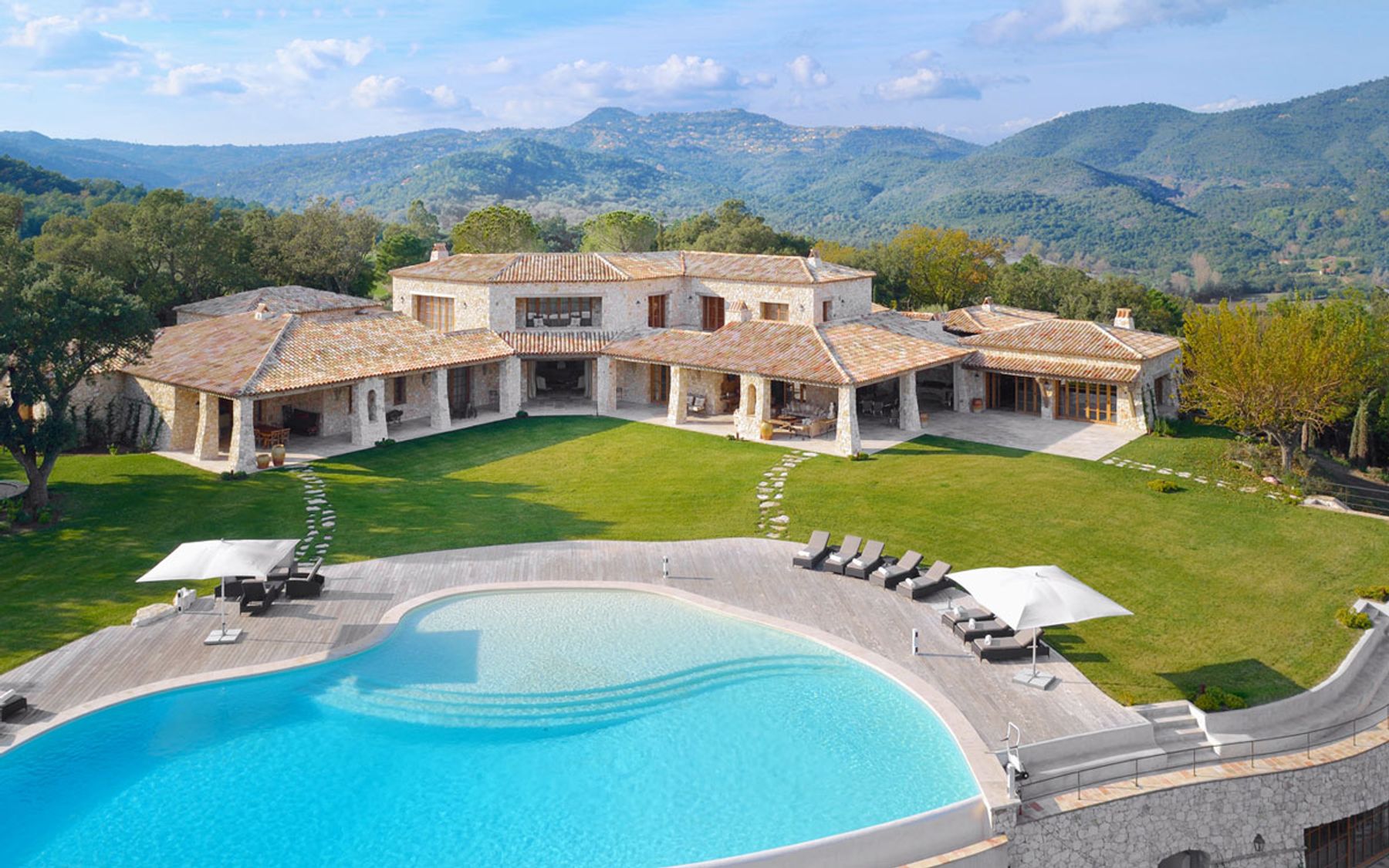
It's one thing to visit a destination and another to live in it. A private villa shifts you firmly toward the second. You're not returning to a lobby or a corridor, but to a home with its own garden, terrace and kitchen, set slightly apart from the bustle.
In a town as pleasant as this, that distinction matters. The best parts of Cannes outside festival weeks are slow ones: breakfast that stretches, a swim before lunch, a market bag on the counter, an evening on the terrace as the light fades. A villa is built for exactly that kind of day.
Space, Privacy and Time
The advantages add up quickly. Families and friends can gather around a single table while still having rooms of their own. Children have a garden to play in. Early risers can make coffee without disturbing anyone. And the household, not a timetable, decides when breakfast happens.
A property like Domaine de St. Jean, a substantial estate with generous grounds and room to spread out, shows what this looks like in practice. Its closeness to the waterfront and old town means the best of the city is within reach, while the grounds offer a retreat whenever you want one.
Services That Make It Effortless
Villa living doesn't mean doing everything yourself. A concierge team can arrange a private chef, a driver for hillside excursions, a boat for the islands or a simple stocked kitchen on arrival. Most guests find that the right level of support is a light one: enough to remove friction, never so much that the days feel managed.
This is especially valuable outside peak periods, when you can build a loose itinerary and then adjust it day by day. If the weather turns, you change plans. If the sea looks irresistible, you go swimming. The flexibility is the luxury.
A Sample Week Beyond the Festival
To make this concrete, here's one way a week in the off-peak months might unfold. Treat it as a mood rather than a schedule.
Arrival: settle in, walk the shoreline at sunset and keep dinner simple at the villa.
Day two: a morning market visit, a long lunch on the terrace and a lazy afternoon.
Day three: a stroll through the old town's lanes, a coffee with a view and a seaside evening.
Day four: a drive into the hills, a village lunch and a return in golden light.
Day five: an island crossing, swimming and a picnic, then a quiet night in.
Departure: one more swim, one more slow breakfast and no rush.
Notice how little is scheduled. That's the secret: there's enough variety to keep things interesting and enough space to let the place work on you.
Who Will Love Cannes Outside Festival Season?
Nearly everyone, but a few types of traveler find it especially rewarding. Couples enjoy the romance of golden evenings and quiet streets. Families appreciate the beaches, the gardens and the easy day trips. Friends gather for long lunches and shared outings. Solo travelers and creatives find the pace restorative and the scenery inspiring.
What they all share is curiosity about a place beyond its reputation. If you like discovering the texture of a town rather than ticking off a list, you'll feel at home.
Is Cannes Worth Visiting When There's No Festival?
Absolutely, and many would argue it's better. Without the events, you get the same beautiful bay, the same mild climate and the same elegant architecture, but with more space, easier logistics and a friendlier atmosphere. Markets are calmer, beaches are roomier, and the people you meet have time to talk. It's the version of the city that residents love, and it's open to you all year.
What Most Travelers Never Discover
Cannes has long been defined by its most glamorous moments, but its real appeal runs deeper and quieter. It lives in the early-morning light on the bay, the smell of a market at nine o'clock, the view from a hilltop lane and the feeling of a long lunch with nowhere to be afterward. These are the pleasures that bring people back year after year.
If that sounds like the kind of stay you've been imagining, a private villa is the natural way to enjoy it. Browse our collection of luxury villas in Cannes to see how different properties frame the experience, or consider a place like Domaine de St. Jean as your own quiet base. The festival will always have its moment. The rest of the year, Cannes is yours to enjoy.